
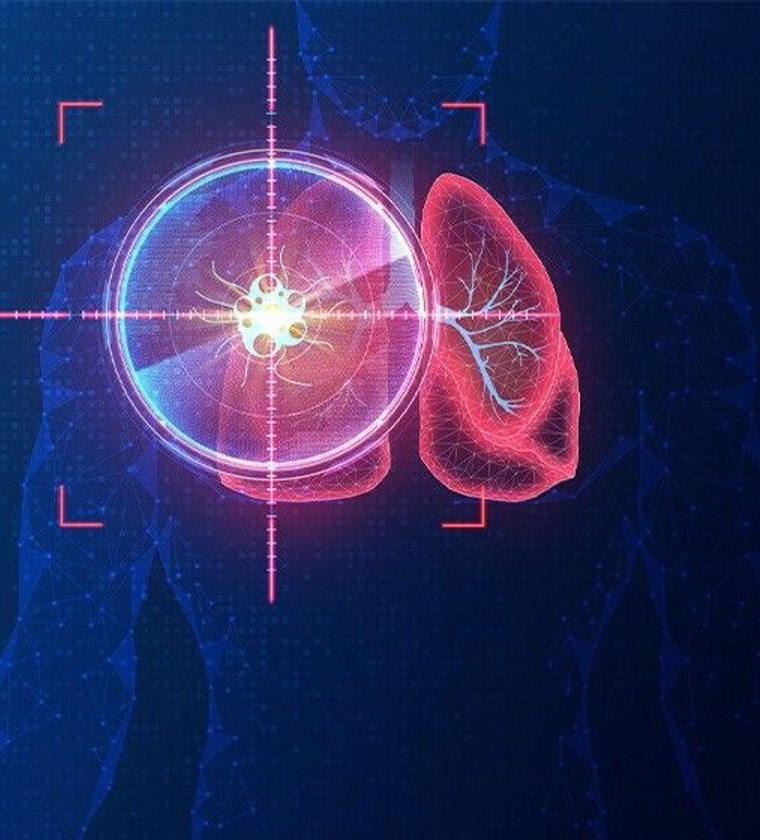


Precision and Personalized Cancer Treatment

Precision and Personalized Cancer Treatment is a modern, patient-centered approach that customizes cancer care based on an individual’s genetic profile, tumor biology, and overall health. Instead of using a one-size-fits-all method, this advanced treatment strategy focuses on delivering the right treatment to the right patient at the right time, improving outcomes and reducing unnecessary side effects.

Precision cancer treatment uses advanced diagnostic tools to understand the genetic and molecular characteristics of a tumor. Every cancer is unique, and even patients with the same type of cancer may respond differently to treatment. By analyzing tumor DNA, doctors can identify specific mutations and select therapies that directly target those abnormalities.

How Personalized Cancer Treatment Works

The process begins with detailed testing and evaluation:

  • Genetic Testing: Identifies mutations in cancer cells
  • Biomarker Analysis: Detects specific proteins or markers that influence treatment
  • Molecular Profiling: Studies the behavior and growth pattern of the tumor
  • Patient Health Assessment: Considers age, lifestyle, and medical history

Based on these findings, a customized treatment plan is created to maximize effectiveness and minimize harm.

Benefits of Personalized Cancer Treatment

  • Higher Treatment Success Rates

  • Reduced Side Effects

  • Faster Recovery Time

  • Improved Quality of Life

  • Avoidance of Ineffective Treatments

This approach ensures that patients receive treatments that are most likely to work for their specific condition.

Conditions Treated with Precision Oncology

Precision and personalized cancer treatment is highly effective in managing:

  • Breast Cancer
  • Lung Cancer
  • Colorectal Cancer
  • Blood Cancers (like leukemia and lymphoma)
  • Prostate Cancer

It is especially beneficial in advanced or recurrent cancers where traditional treatments may not be effective.

Who is the Right Candidate?

Personalized cancer treatment is recommended for:

  • Patients with advanced or metastatic cancer
  • Individuals not responding to standard treatments
  • Patients seeking targeted and less toxic treatment options
  • Those with specific genetic mutations identified through testing

A specialist oncologist can determine if precision medicine is suitable for your condition.

Why Choose Precision Cancer Treatment?

Choosing precision oncology means choosing advanced, evidence-based, and individualized care. With cutting-edge technology and research, this approach offers better control over cancer and improves long-term survival chances.

Our Approach to Personalized Cancer Care

We follow a comprehensive and patient-focused approach:

  • Advanced diagnostic and genetic testing
  • Multidisciplinary team of cancer specialists
  • Customized treatment planning
  • Continuous monitoring and follow-up care
  • Emotional and supportive care for patients and families

Our goal is to provide effective, safe, and personalized cancer treatment tailored to each patient’s needs.

Types of Precision Cancer Treatments

Targeted Therapy

Targeted therapy focuses on specific genes or proteins that help cancer cells grow. These drugs block the growth and spread of cancer while sparing healthy cells.

1

Immunotherapy

Immunotherapy strengthens the body’s immune system, enabling it to recognize and destroy cancer cells more effectively.

2

Symptoms of Leukemia
Cancer

3

Hormone Therapy

Used for hormone-sensitive cancers like breast and prostate cancer, this treatment blocks or lowers hormones that fuel cancer growth.

4

Precision Chemotherapy

Customized chemotherapy plans based on genetic testing help improve response and reduce side effects.


Precision and personalized cancer treatment is transforming the future of oncology. By focusing on individual patient needs and tumor characteristics, it offers a smarter, more effective way to fight cancer. Early evaluation and expert guidance can help you access the most advanced care available.

Frequently Asked Questions

Yes, it is generally safe and often has fewer side effects compared to traditional treatments.

Unlike chemotherapy, which affects both healthy and cancer cells, precision treatment targets only cancer-specific abnormalities.

Yes, genetic and molecular testing are essential to identify the most effective personalized treatment.

Not all patients are eligible. It depends on the type and stage of cancer and available biomarkers.

Our Lab Certification

Our Expert Team

Imperdiet aliquet est vel nulla turpis eu consequat ullamcorper a egestas suspendisse faucibus eu velit, phasellus pulvinar lorem et libero et tortor, sapien nulla.

Margaret Anderson

Head of Laboratory Department

Mark Anthony

Senior Pathologist

Samantha Wood

Laboratory Technician

Subsribe To Our Newsletter

Stay in touch with us to get latest news and special offers.

Address

123 5th Avenue, New York, US

Call Us

+1 123 456 7890

Email Us

info@example.com

Our success stories

5/5

"Lectus, nonummy et. Occaecat delectus erat, minima dapibus ornare nunc, autem."​
Lily Granger​

4/5

"Lectus, nonummy et. Occaecat delectus erat, minima dapibus ornare nunc, autem."​
Jeson Foxx

5/5

"Lectus, nonummy et. Occaecat delectus erat, minima dapibus ornare nunc, autem."​
Ron Burnwood

4/5

"Lectus, nonummy et. Occaecat delectus erat, minima dapibus ornare nunc, autem."​
Judy Sewell

4/5

"Lectus, nonummy et. Occaecat delectus erat, minima dapibus ornare nunc, autem."​
Anne Mcfadden