Antibody-Drug Conjugate (ADC) Therapy for Cancer

Antibody-Drug Conjugate (ADC) therapy is transforming modern cancer care by combining precision targeting with powerful anti-cancer drugs. This innovative approach allows doctors to attack cancer cells directly while minimizing damage to healthy tissues, making it a promising option for many patients.

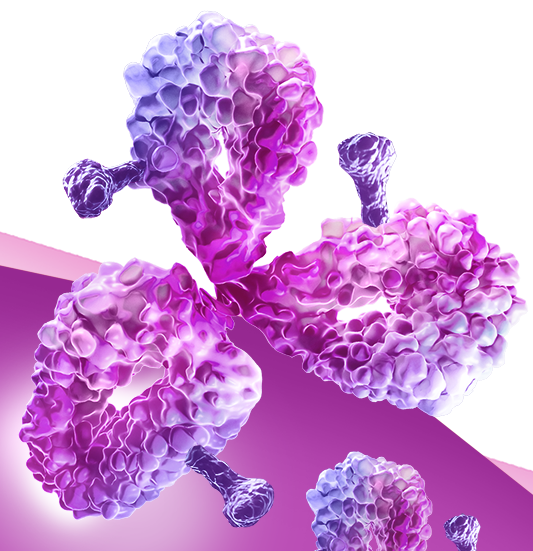
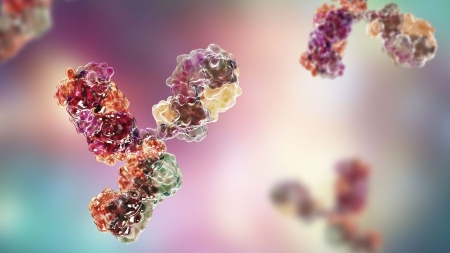
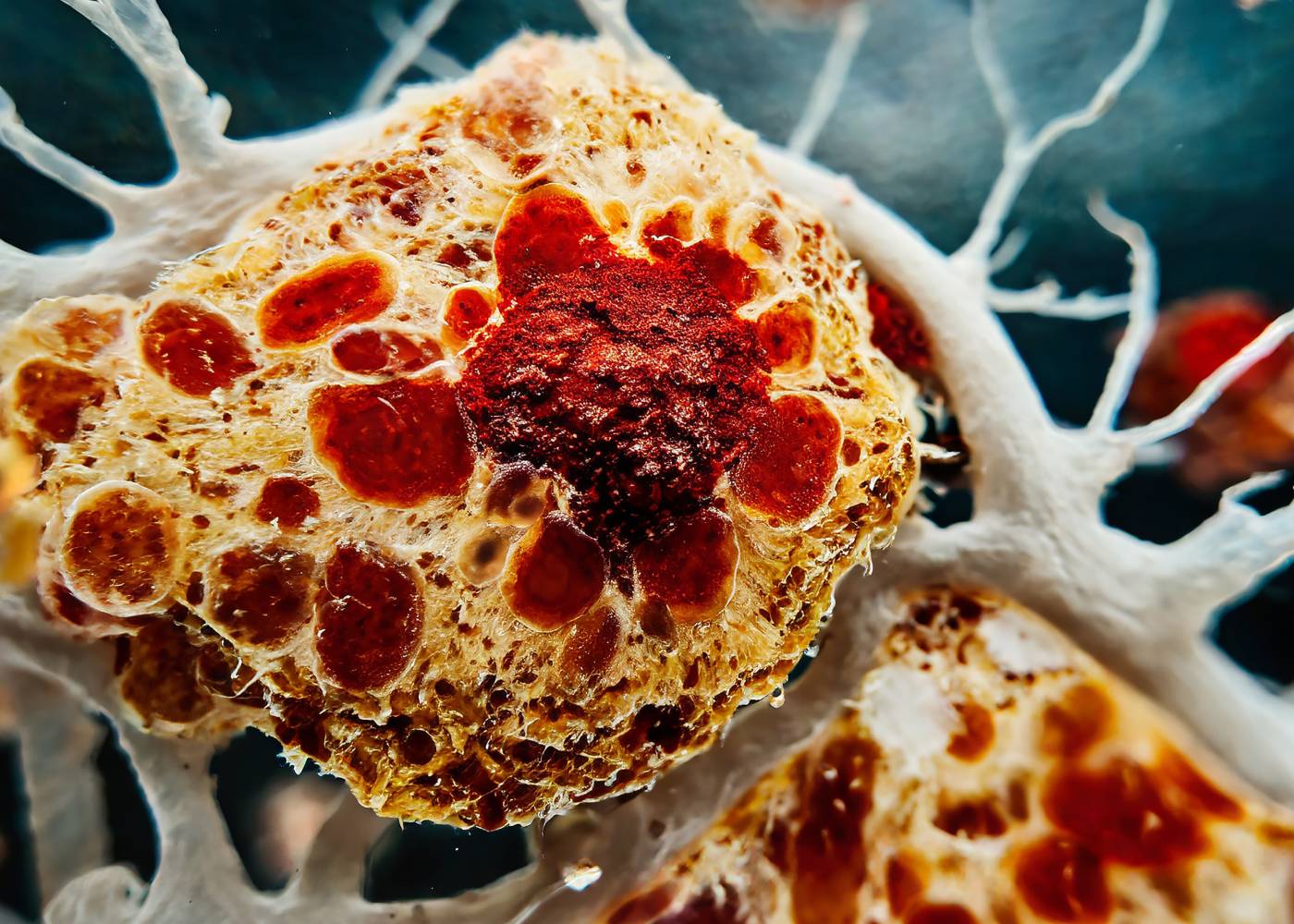
Antibody-Drug Conjugate (ADC) therapy is a type of targeted cancer treatment that links a monoclonal antibody to a potent chemotherapy drug. The antibody acts like a “guided missile,” identifying and binding to specific proteins found on cancer cells. Once attached, the drug is released directly into the cancer cell, destroying it from within.

How Does ADC Therapy Work?

ADC therapy works in a highly targeted way:

  • Target Recognition: The antibody identifies specific antigens on cancer cells.
  • Binding: It attaches to the cancer cell surface.
  • Internalization: The cancer cell absorbs the ADC.
  • Drug Release: The chemotherapy drug is released inside the cell, killing it effectively.

This targeted mechanism helps reduce the side effects typically seen with traditional chemotherapy.

Types of Cancers Treated with ADC Therapy

ADC therapy has shown effectiveness in treating several cancers, including:

  • Breast cancer
  • Lung cancer
  • Lymphoma
  • Leukemia

Many advanced ADC drugs are approved for cancers that are difficult to treat or have relapsed after other therapies.

ADC therapy offers several advantages over conventional treatments:

  • Precision Targeting: Focuses on cancer cells, sparing healthy tissue
  • Reduced Side Effects: Less toxicity compared to traditional chemotherapy
  • Improved Outcomes: Better response rates in certain cancers
  • Personalized Treatment: Tailored based on specific tumor markers

Although ADC therapy is more targeted, some side effects may still occur:

  • Fatigue
  • Nausea
  • Low blood cell counts
  • Liver function changes

The severity of side effects varies depending on the specific ADC drug used and the patient’s overall health.

Not all patients are candidates for ADC therapy. Eligibility depends on:

  • Type and stage of cancer
  • Presence of specific tumor markers
  • Previous treatments and response
  • Overall health condition

Doctors usually perform biomarker testing to determine if ADC therapy is suitable.

ADC therapy is rapidly evolving, with ongoing research focused on improving drug design, reducing side effects, and expanding its use to more cancer types. It is becoming an important part of precision oncology and personalized cancer care.

Antibody-Drug Conjugate (ADC) therapy represents a major advancement in cancer treatment. By combining targeted therapy with powerful anti-cancer drugs, it offers new hope for patients seeking more effective and less toxic treatment options. As research continues, ADC therapy is expected to play a key role in the future of oncology.

At Fight Cancer, we turn diagnosis into determination. With expert care and unwavering support, you don’t face cancer alone — we fight it together.

Symptoms That May Indicate the Need for Antibody-Drug Conjugate (ADC) Therapy in Cancer

Antibody-Drug Conjugate (ADC) therapy is not based on symptoms alone—it is recommended after a confirmed cancer diagnosis and specific biomarker testing. However, certain symptoms may indicate cancers where ADC therapy could be considered as part of treatment.

Persistent Fatigue

Feeling extremely tired even after proper rest can be an early warning sign of cancer. This fatigue often does not improve with sleep.

1

Unexplained Weight Loss

Sudden weight loss without diet or exercise changes may indicate an underlying malignancy.

2

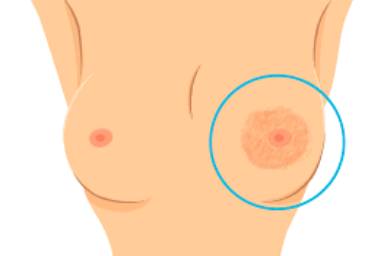
Swelling or Lumps

Painless lumps in areas like the neck, breast, armpits, or groin could be a sign of tumors or swollen lymph nodes.

3

Frequent Infections

A weakened immune system can lead to repeated infections, especially in blood-related cancers like leukemia or lymphoma.
4

Benefits of Immunotherapy for Patients

5

Fever or Night Sweats

Unexplained fever or excessive sweating at night may be linked to certain cancers.

6

Pain That Doesn’t Go Away

Persistent pain in bones, chest, abdomen, or other areas should not be ignored.

7

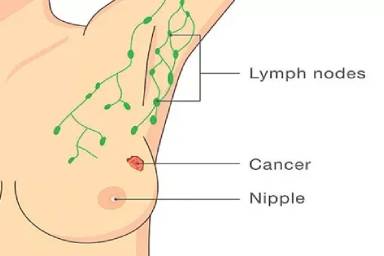
Changes in Skin or Breast

Unusual skin changes, dimpling, redness, or changes in breast shape can be signs of breast cancer.
8

Shortness of Breath or Persistent Cough

These symptoms may indicate lung-related cancers or advanced disease.

Frequently Asked Questions

ADC therapy is more targeted, which often results in fewer side effects and better outcomes in certain cancers.

Yes, it is generally safe when administered under expert supervision, though side effects can occur.

Treatment duration varies depending on the cancer type and patient response.


Yes, many advanced cancer centers in India offer ADC therapy for eligible patients.

Our Lab Certification

Our Expert Team

Imperdiet aliquet est vel nulla turpis eu consequat ullamcorper a egestas suspendisse faucibus eu velit, phasellus pulvinar lorem et libero et tortor, sapien nulla.

Margaret Anderson

Head of Laboratory Department

Mark Anthony

Senior Pathologist

Samantha Wood

Laboratory Technician

Subsribe To Our Newsletter

Stay in touch with us to get latest news and special offers.

Address

123 5th Avenue, New York, US

Call Us

+1 123 456 7890

Email Us

info@example.com

Our success stories

5/5

"Lectus, nonummy et. Occaecat delectus erat, minima dapibus ornare nunc, autem."​
Lily Granger​

4/5

"Lectus, nonummy et. Occaecat delectus erat, minima dapibus ornare nunc, autem."​
Jeson Foxx

5/5

"Lectus, nonummy et. Occaecat delectus erat, minima dapibus ornare nunc, autem."​
Ron Burnwood

4/5

"Lectus, nonummy et. Occaecat delectus erat, minima dapibus ornare nunc, autem."​
Judy Sewell

4/5

"Lectus, nonummy et. Occaecat delectus erat, minima dapibus ornare nunc, autem."​
Anne Mcfadden