
Bispecific Antibodies in Cancer Therapy
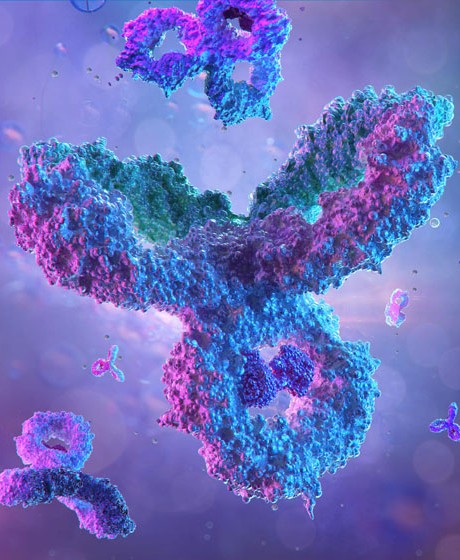
Bispecific antibodies are an advanced form of immunotherapy that is revolutionizing cancer treatment. Unlike traditional therapies, these engineered antibodies can bind to two different targets at the same time—helping the immune system directly identify and destroy cancer cells more effectively.
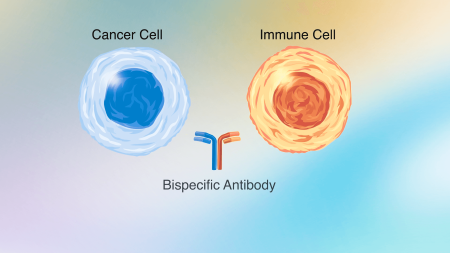
Bispecific antibodies are specially designed proteins that connect two different types of cells. Typically, one arm binds to a cancer cell, while the other attaches to an immune cell (usually T-cells). This dual binding brings the immune system closer to the tumor, enhancing its ability to kill cancer cells.
How Do Bispecific Antibodies Work?
The mechanism of bispecific antibodies is simple yet powerful:
- Dual Targeting: One part of the antibody binds to a cancer-specific antigen.
- Immune Activation: The other part attaches to immune cells like T-cells.
- Cell Bridging: This creates a direct link between immune cells and cancer cells.
- Tumor Destruction: The immune cells are activated to attack and destroy the cancer.
Types of Cancers Treated
Bispecific antibodies are being used and studied in several cancers, including:
- Leukemia
- Lymphoma
- Multiple myeloma
- Lung cancer
- Prostate cancer
They are especially useful in blood cancers and cases where traditional treatments may not work effectively.
- Highly Targeted Therapy: Focuses on cancer cells while sparing healthy tissue
- Boosts Immune Response: Activates the body’s natural defense system
- Effective in Resistant Cancers: Works in patients who don’t respond to chemotherapy
- No Need for Cell Extraction: Unlike CAR-T therapy, it doesn’t require modifying patient cells
Although effective, bispecific antibodies can cause some side effects:
- Cytokine release syndrome (CRS)
- Fever and fatigue
- Low blood pressure
- Neurological symptoms (in rare cases)
These side effects are usually manageable under medical supervision.
Eligibility depends on several factors:
- Type and stage of cancer
- Expression of specific tumor antigens
- Previous treatments and response
- Overall health condition
Doctors perform detailed testing before recommending bispecific antibody therapy.
Bispecific antibodies represent a major advancement in cancer immunotherapy. Ongoing research is focused on improving safety, expanding their use to solid tumors, and combining them with other treatments for better outcomes.
Bispecific antibodies are opening new possibilities in cancer treatment by directly linking immune cells to cancer cells. This innovative therapy offers hope for patients with difficult-to-treat cancers and is expected to play a significant role in the future of oncology.
At Fight Cancer, we turn diagnosis into determination. With expert care and unwavering support, you don’t face cancer alone — we fight it together.
Benefits of Bispecific Antibodies in Cancer Therapy
Bispecific antibodies are emerging as a powerful advancement in cancer treatment due to their ability to precisely target tumors while activating the immune system. Here are the key benefits:

Highly Targeted Treatment
Bispecific antibodies can bind to both cancer cells and immune cells at the same time. This precise targeting helps attack cancer cells directly while minimizing damage to healthy tissues.

1

Enhanced Immune Response
These antibodies bring T-cells (a type of immune cell) into close contact with cancer cells, boosting the body’s natural ability to recognize and destroy tumors more effectively.

2

Effective in Resistant Cancers
Bispecific antibodies are particularly useful for patients whose cancer has not responded to traditional treatments like chemotherapy or radiation.
3

Reduced Need for Complex Procedures
Unlike therapies such as CAR-T cell therapy, bispecific antibodies do not require extracting and modifying a patient’s cells, making the treatment simpler and more accessible.

4
Benefits of Immunotherapy for Patients
5

Faster Treatment Availability
Since they are “off-the-shelf” drugs, bispecific antibodies can be administered without long preparation times, allowing quicker treatment initiation.

6

Potential for Better Outcomes
Clinical studies have shown improved response rates and longer disease control in certain cancers, especially blood cancers like leukemia and lymphoma.

7

Versatility in Cancer Types
Bispecific antibodies are being used in multiple cancer types and are continuously being developed for solid tumors, expanding their scope in oncology.
8

Combination Therapy Potential
They can be combined with other treatments such as chemotherapy, immunotherapy, or targeted therapy to enhance overall effectiveness.

Frequently Asked Questions
They can be more targeted and effective in certain cancers, especially when chemotherapy fails.
Yes, it is available in select advanced cancer centers and through clinical trials.
It is generally safe when monitored closely, though side effects like CRS may occur.
Usually through intravenous (IV) infusion under medical supervision.
Our Expert Team
Imperdiet aliquet est vel nulla turpis eu consequat ullamcorper a egestas suspendisse faucibus eu velit, phasellus pulvinar lorem et libero et tortor, sapien nulla.
Margaret Anderson
Mark Anthony
Senior Pathologist
Samantha Wood
Subsribe To Our Newsletter
Stay in touch with us to get latest news and special offers.
Address
123 5th Avenue, New York, US
Call Us
+1 123 456 7890
Email Us
info@example.com
Our success stories
5/5
4/5
5/5
4/5
4/5