


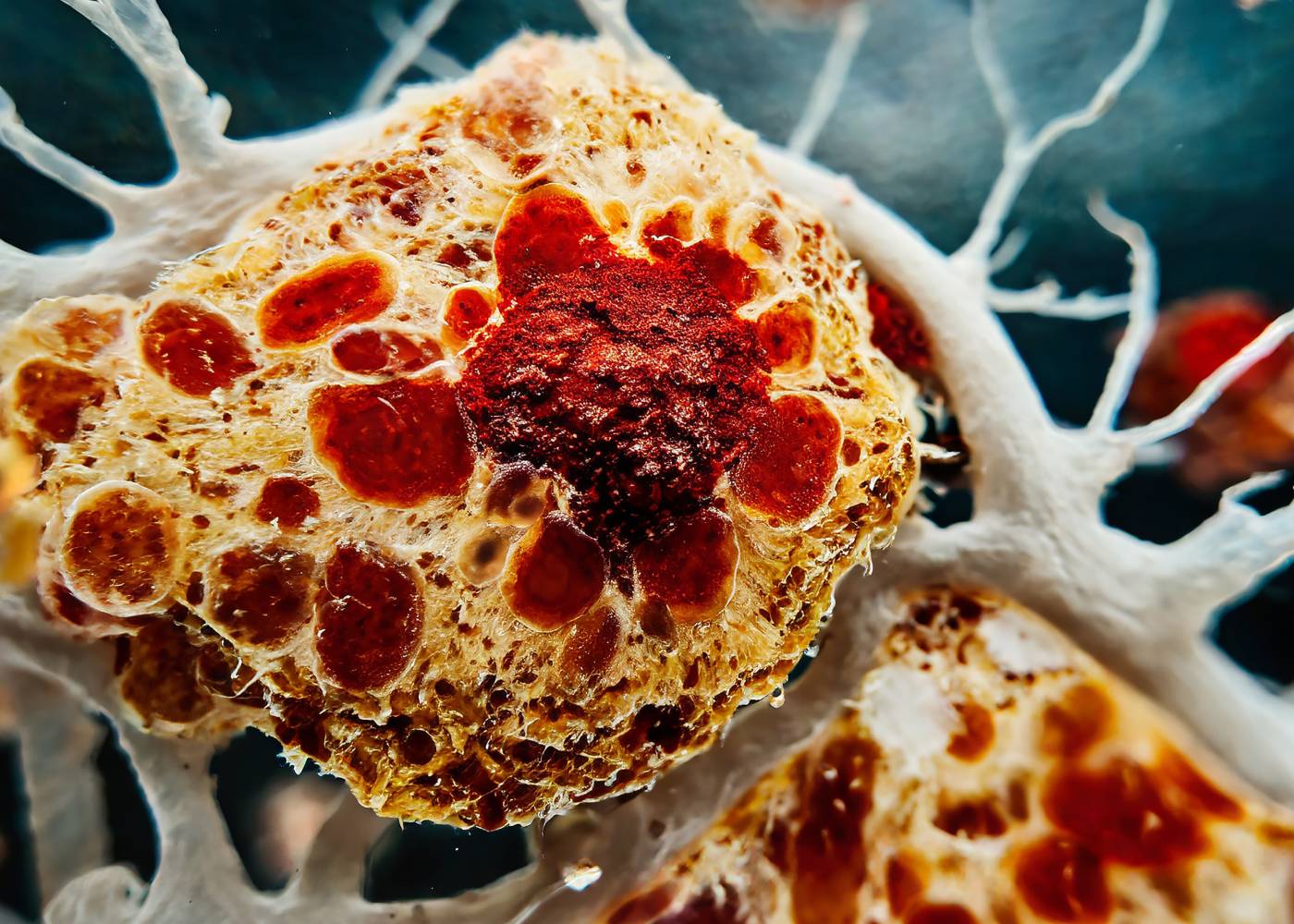
Multiple myeloma

At the forefront of oncology, Dr. Ajay Gogia brings unparalleled expertise to the management of Multiple myeloma. His approach to breast cancer care is rooted in providing comprehensive, cutting-edge treatment tailored to each individual. From meticulous prevention strategies and advanced screening protocols to the application of the latest therapies—including chemotherapy, hormonal therapy, targeted therapy, and immunotherapy— Dr. Gogia is dedicated to guiding patients through their journey with a focus on optimal outcomes and compassionate support.

Introduction to Multiple Myeloma

Multiple myeloma is a cancer that starts in plasma cells. These cells usually create antibodies that protect the body. However, cancerous plasma cells produce uncontrolled proteins and crowd out healthy cells. As a result, the body loses strength and develops serious complications.

The disease often grows slowly at first. Many patients do not notice symptoms early. Over time, the condition becomes aggressive and needs medical attention.

Common Symptoms of Multiple Myeloma

Symptoms vary from person to person. They usually appear when abnormal cells spread across the bone marrow. Early detection reduces complications, so understanding the warning signs helps.

Doctors use several tests to confirm the disease. Early diagnosis improves treatment success. The process includes:

  • Blood tests to measure abnormal proteins

  • Urine tests to detect light chains

  • Bone marrow biopsy to confirm cancerous plasma cells

  • Imaging tests such as MRI or CT scans to detect bone damage

These diagnostic tools help doctors identify the stage and choose the right treatment plan.

Experts have not identified a single cause. However, some factors increase risk. Understanding them helps with early screening.

  • Older adults face a higher risk

  • Family history influences the chances

  • Exposure to radiation or certain chemicals may contribute

  • Men are diagnosed more often than women

  • People with weakened immune systems face added risk

These factors do not guarantee the disease. They only indicate a higher probability of developing it.

Multiple myeloma is a cancer that starts in plasma cells. These cells usually create antibodies that protect the body. However, cancerous plasma cells produce uncontrolled proteins and crowd out healthy cells. As a result, the body loses strength and develops serious complications.

The disease often grows slowly at first. Many patients do not notice symptoms early. Over time, the condition becomes aggressive and needs medical attention.

Patients can live longer with proper care. A healthy lifestyle helps manage symptoms and improve strength. Eating nutritious food, staying active, and attending regular check-ups are essential. Emotional support also plays a major role in recovery.

Family, friends, and support groups help patients stay motivated during treatment. Stress management and counseling also improve mental well-being.

Multiple myeloma is challenging, but modern treatments offer hope. Early detection and medical guidance transform outcomes. With consistent care, patients maintain a better quality of life. Always consult a healthcare specialist if you experience early symptoms or have risk factors.

At Fight Cancer, we turn diagnosis into determination. With expert care and unwavering support, you don’t face cancer alone — we fight it together.

Important Points About Multiple Myeloma

Early detection improves outcomes

Early detection helps identify symptoms quickly, allowing treatment to begin sooner and reducing complications while improving long-term outcomes for patients.

1

It affects the immune system

Cancerous plasma cells weaken immunity, increasing infection risk and reducing the body’s natural ability to fight harmful viruses and bacteria.
2

Bone health declines over time

Multiple myeloma damages bone structure, causing pain, fractures, and mobility issues as bone strength decreases gradually over time.

3

Kidney function may be affected

Abnormal proteins from myeloma cells strain the kidneys, reducing filtration ability and increasing the risk of long-term kidney complications.

4

Benefits of Immunotherapy for Patients

5

Modern treatments improve survival

Targeted therapy, immunotherapy, and stem cell transplantation enhance survival by slowing cancer growth and improving overall disease control effectively.

6

Regular monitoring is essential

Continuous medical check-ups help track disease progression, adjust treatments, detect complications early, and support long-term patient stability.
7

Lifestyle changes support recovery

Healthy diet, hydration, exercise, adequate rest, and stress management strengthen the body and improve recovery during treatment.
8

Emotional support is crucial

Counseling, support groups, and family encouragement help reduce stress, improve mental strength, and motivate patients throughout their treatment journey.


Frequently Asked Questions

Multiple myeloma is a blood cancer that begins in plasma cells and affects immunity, bone health, and kidney function.

Symptoms include bone pain, fatigue, frequent infections, weakness, and sometimes high calcium levels or kidney-related issues.

Doctors perform blood tests, urine tests, imaging scans, and a bone marrow biopsy to confirm abnormal plasma cells.

Treatment includes chemotherapy, targeted therapy, immunotherapy, stem cell transplant, radiation therapy, and supportive medications.

There is no complete cure, but advanced treatments help control the disease and improve long-term survival and quality of life.

Older adults, individuals with a family history, people exposed to chemicals, and those with weakened immunity face higher risk.

Our Lab Certification

Our Expert Team

Imperdiet aliquet est vel nulla turpis eu consequat ullamcorper a egestas suspendisse faucibus eu velit, phasellus pulvinar lorem et libero et tortor, sapien nulla.

Margaret Anderson

Head of Laboratory Department

Mark Anthony

Senior Pathologist

Samantha Wood

Laboratory Technician

Subsribe To Our Newsletter

Stay in touch with us to get latest news and special offers.

Address

123 5th Avenue, New York, US

Call Us

+1 123 456 7890

Email Us

info@example.com

Our success stories

5/5

"Lectus, nonummy et. Occaecat delectus erat, minima dapibus ornare nunc, autem."​
Lily Granger​

4/5

"Lectus, nonummy et. Occaecat delectus erat, minima dapibus ornare nunc, autem."​
Jeson Foxx

5/5

"Lectus, nonummy et. Occaecat delectus erat, minima dapibus ornare nunc, autem."​
Ron Burnwood

4/5

"Lectus, nonummy et. Occaecat delectus erat, minima dapibus ornare nunc, autem."​
Judy Sewell

4/5

"Lectus, nonummy et. Occaecat delectus erat, minima dapibus ornare nunc, autem."​
Anne Mcfadden