


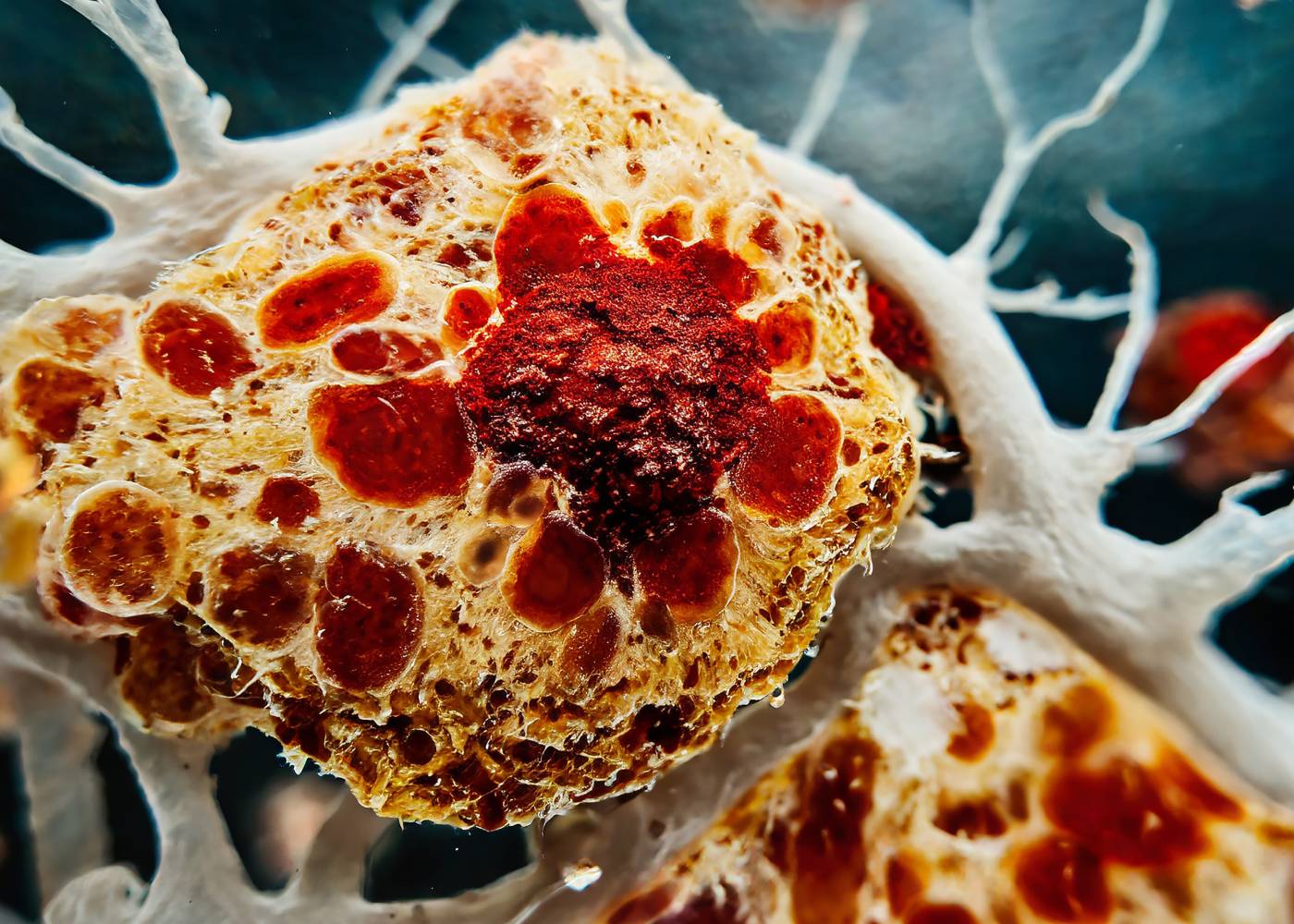
Breast Cancer Immunotherapy Treatment
At the forefront of oncology, Dr. Ajay Gogia brings unparalleled expertise to the management of Breast Cancer Immunotherapy Treatment. His approach to breast cancer care is rooted in providing comprehensive, cutting-edge treatment tailored to each individual. From meticulous prevention strategies and advanced screening protocols to the application of the latest therapies—including chemotherapy, hormonal therapy, targeted therapy, and immunotherapy— Dr. Gogia is dedicated to guiding patients through their journey with a focus on optimal outcomes and compassionate support.
Introduction to Modern Cancer Immunotherapy
Breast cancer is one of the most common cancers among women, and with the rise of modern treatments, immunotherapy has emerged as a revolutionary option. Unlike chemotherapy, which attacks both healthy and cancerous cells, immunotherapy empowers the body’s own immune system to identify and destroy cancer cells. Delhi has become a leading hub for world-class immunotherapy due to its advanced hospitals, expert oncologists, and access to cutting-edge medical technology.
Immunotherapy is a type of cancer treatment that boosts or restores the immune system’s ability to fight cancer. It uses advanced medications designed to recognize cancer cells, block their growth, and enhance the body’s natural defenses. This treatment is especially effective in certain types of breast cancers that express specific biomarkers like PD-L1.
Types of Immunotherapy Used for Breast Cancer
- Immune Checkpoint Inhibitors: These drugs block proteins like PD-1 and PD-L1, helping immune cells attack cancer. Pembrolizumab is one of the most widely used checkpoint inhibitors for breast cancer patients in Delhi.
- Monoclonal Antibodies: These laboratory-made proteins attach to cancer cells and mark them for destruction. Some antibodies also prevent cancer from growing or spreading.
- Cancer Vaccines: Therapeutic cancer vaccines help the body recognize breast cancer cells as harmful and stimulate a stronger immune response.
- Adoptive Cell Therapy (CAR-T Therapy): This advanced treatment modifies a patient’s immune cells in the lab and then reinfuses them to attack cancer. CAR-T therapy is emerging in India and is offered in selected specialized centers in Delhi.
Breast cancer immunotherapy treatment brings powerful benefits. It strengthens the immune system and offers lasting protection. With fewer side effects and better outcomes, it stands as a leading option for many patients. Continued research will unlock even more possibilities. Patients should consult specialists to see if immunotherapy is the right choice.
At Fight Cancer, we turn diagnosis into determination. With expert care and unwavering support, you don’t face cancer alone — we fight it together.
Importance Of Breast Cancer Immunotherapy Treatment

Immunotherapy Strengthens Natural Immune Defense
Immunotherapy empowers the immune system to identify and attack breast cancer cells more effectively. It offers targeted treatment that enhances long-term outcomes and reduces the spread of aggressive disease types in many patients.

1

Effective for Triple-Negative Breast Cancer
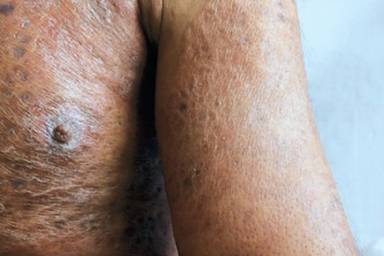
This treatment works especially well for triple-negative breast cancer, which lacks targeted options. Immunotherapy increases immune activity, helps control aggressive tumor growth, and significantly reduces the risk of cancer returning after initial treatment.
2

Immune Checkpoint Inhibitors Improve Survival
Checkpoint inhibitors remove biological shields that protect cancer cells from immune attack. By blocking these proteins, the immune system becomes more active, helping eligible patients achieve better survival rates and more durable treatment responses.
3

Monoclonal Antibodies Target Cancer Proteins
Monoclonal antibodies attach to specific proteins on cancer cells. By blocking growth signals and marking tumors, they slow disease progression, improve treatment accuracy, and support better recovery with fewer treatment-related complications.

4
Benefits of Immunotherapy for Patients
5

Cancer Vaccines Train the Immune System
Cancer vaccines teach the immune system to recognize tumor-specific markers. They help prevent future cancer formation and show promising potential for long-term protection as scientific research and clinical trials continue to evolve worldwide.

6

Fewer Severe Side Effects Compared to Chemotherapy
Immunotherapy usually causes fewer serious side effects than chemotherapy. This allows patients to continue daily activities with greater comfort, while still receiving strong and effective treatment that targets cancer cells more precisely.
7

Biomarker Testing Guides Treatment Decisions
Doctors use tests like PD-L1 expression to choose the right immunotherapy. These markers help identify patients who will benefit most, ensuring personalized care plans that increase treatment success and support better clinical outcomes.
8

Combination Therapy Improves Treatment Performance
Using immunotherapy with chemotherapy or targeted therapy creates a stronger attack on cancer cells. This combination offers more effective tumor reduction, longer-lasting results, and improved survival for patients with advanced or hard-to-treat breast cancer.

Frequently Asked Questions
Immunotherapy boosts the immune system’s ability to detect and destroy cancer cells. It removes the cancer’s protective barriers and helps the immune system attack tumors more effectively.
Eligibility depends on the cancer type and biomarker tests such as PD-L1 expression. It is often recommended for triple-negative or advanced breast cancer patients.
Common side effects include fatigue, mild fever, skin rashes, diarrhea, and joint pain. These are usually manageable and less intense than chemotherapy effects.
Yes, immunotherapy generally causes fewer severe side effects because it targets cancer cells more precisely. Many patients find it easier to tolerate than traditional chemotherapy.
Treatment duration varies based on the patient’s condition. Many immunotherapy cycles run for several months, and doctors adjust plans based on treatment response and tolerance.
Yes, immunotherapy is often combined with chemotherapy or targeted therapy. This approach increases treatment effectiveness and provides stronger, longer-lasting results, especially for aggressive cancer types.
Our Expert Team
Imperdiet aliquet est vel nulla turpis eu consequat ullamcorper a egestas suspendisse faucibus eu velit, phasellus pulvinar lorem et libero et tortor, sapien nulla.
Margaret Anderson
Mark Anthony
Senior Pathologist
Samantha Wood
Subsribe To Our Newsletter
Stay in touch with us to get latest news and special offers.
Address
123 5th Avenue, New York, US
Call Us
+1 123 456 7890
Email Us
info@example.com
Our success stories
5/5
4/5
5/5
4/5
4/5