
Leukemia Cancer

When it comes to leukemia care, Dr. Ajay Gogia stands out for his patient-first approach. He offers cutting-edge diagnosis and treatment across diverse leukemia types, including Chronic Lymphocytic Leukemia (CLL). His commitment ensures that every patient benefits from a highly personalized care plan, meticulously designed to leverage the newest therapeutic breakthroughs.

About Leukemia Cancer

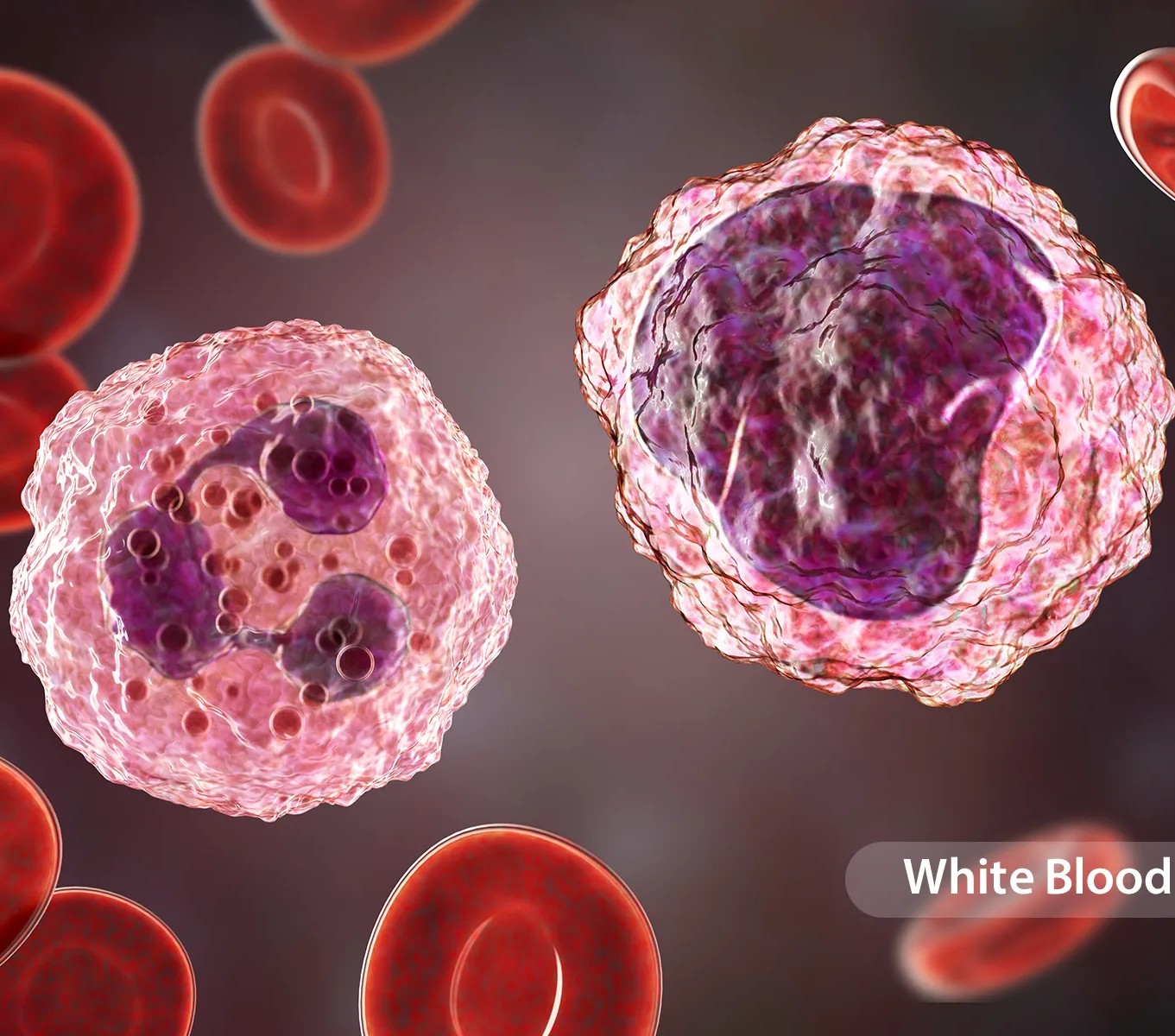
Leukemia is a type of cancer that affects the blood-forming tissues of the body, including the bone marrow and lymphatic system.
It is characterized by the rapid and uncontrolled production of abnormal white blood cells, which can interfere with the body’s ability to fight infection and produce red blood cells and platelets. As a leading medical oncologist, Dr. Ajay Gogia specializes in the diagnosis and advanced management of various forms of leukemia, including Chronic Lymphocytic Leukemia (CLL). Our commitment is to provide precise, personalized, and compassionate care, leveraging the latest advancements in treatment to achieve the best possible outcomes for our patients.

Types and Stages of Leukemia

Leukemia is broadly categorized into four main types, depending on the type of white blood cell affected (lymphoid or myeloid) and how quickly it progresses (acute or chronic). While “staging” as seen in solid tumors isn’t always directly applied to leukemia in the same way, the classification and risk stratification are crucial for treatment planning.
Main Types of Leukemia
Leukemia “Staging” / Risk Stratification
Instead of numerical stages, leukemia is often assessed based on:
For chronic leukemias like CLL, specific staging systems (e.g., Rai or Binet staging) categorize the disease based on the extent of lymph node enlargement, spleen/liver enlargement, anemia, and thrombocytopenia.

Causes of Leukemia

The exact causes of most types of leukemia are not fully understood, but it is believed to result from a combination of genetic and environmental factors that lead to mutations in the DNA of blood-forming cells. These mutations cause the cells to grow and divide abnormally.

Risk factors that may increase the chance of developing leukemia include:

At Fight Cancer, we turn diagnosis into determination. With expert care and unwavering support, you don’t face cancer alone — we fight it together.

Symptoms of Leukemia

The symptoms of leukemia can vary depending on the type of leukemia, how quickly it’s progressing, and which types of normal blood cells are being crowded out by the abnormal leukemia cells. Symptoms are often vague and can mimic those of other less serious conditions, making accurate diagnosis by a specialist crucial.

Fatigue and Weakness

Due to anemia (a lack of red blood cells).

1

Frequent Infections

Because abnormal white blood cells are unable to fight infection effectively.

2

Easy Bruising or Bleeding

Due to a lack of platelets (e.g., nosebleeds, bleeding gums, tiny red spots on the skin called petechiae).

3

Fever or Chills

Often unexplained.

4

Symptoms of Leukemia
Cancer

5

Night Sweats

Excessive sweating during sleep.

6

Swollen Lymph Nodes

Painless swelling in the neck, armpit, or groin.

7

Swollen Spleen or Liver

Leading to a feeling of fullness under the ribs.

8

Bone or Joint Pain

Due to the accumulation of leukemia cells in the bone marrow.

9

Weight Loss

Unexplained and significant weight loss.

If you experience any of these persistent symptoms, it’s vital to consult a medical professional for evaluation and timely diagnosis.

Frequently Asked Questions

The curability of leukemia depends on the type, specific genetic abnormalities, the patient’s age, and how well they respond to treatment. Many types of acute leukemia, especially in children, have high cure rates. Chronic leukemias are often managed long-term, and while not always “cured,” patients can live for many years with good quality of life due to effective treatments.

Treatment options vary widely based on the type and stage of leukemia. Common treatments include chemotherapy, targeted therapy (drugs that attack specific vulnerabilities in cancer cells), immunotherapy, radiation therapy, and stem cell transplantation (bone marrow transplant). For some chronic leukemias, active surveillance (“watch and wait”) may be an initial approach.

Diagnosis typically involves a physical exam, complete blood count (CBC) to check for abnormal cell levels, bone marrow biopsy and aspiration to examine bone marrow cells, and genetic/chromosomal tests (cytogenetics, FISH, PCR) on blood or bone marrow samples to identify specific mutations.
While a healthy lifestyle is always beneficial, most types of leukemia are not directly linked to lifestyle choices in the same way as some other cancers. Avoiding known risk factors like smoking and certain chemical exposures can reduce risk, but it’s not a definitive preventative measure.
Acute leukemia involves rapid growth of immature blood cells, requiring immediate, aggressive treatment. Chronic leukemia involves slower growth of more mature cells, and may be managed with less intensive treatment or active surveillance for a period.
Beyond medical treatment, comprehensive care for leukemia patients often includes nutritional counseling, psychological support, pain management, and access to support groups. Clinical trials may also offer new and innovative treatment options.
Our Lab Certification

Our Expert Team

Imperdiet aliquet est vel nulla turpis eu consequat ullamcorper a egestas suspendisse faucibus eu velit, phasellus pulvinar lorem et libero et tortor, sapien nulla.

Margaret Anderson

Head of Laboratory Department

Mark Anthony

Senior Pathologist

Samantha Wood

Laboratory Technician

Subsribe To Our Newsletter

Stay in touch with us to get latest news and special offers.

Address

123 5th Avenue, New York, US

Call Us

+1 123 456 7890

Email Us

info@example.com

Our success stories

5/5

"Lectus, nonummy et. Occaecat delectus erat, minima dapibus ornare nunc, autem."​
Lily Granger​

4/5

"Lectus, nonummy et. Occaecat delectus erat, minima dapibus ornare nunc, autem."​
Jeson Foxx

5/5

"Lectus, nonummy et. Occaecat delectus erat, minima dapibus ornare nunc, autem."​
Ron Burnwood

4/5

"Lectus, nonummy et. Occaecat delectus erat, minima dapibus ornare nunc, autem."​
Judy Sewell

4/5

"Lectus, nonummy et. Occaecat delectus erat, minima dapibus ornare nunc, autem."​
Anne Mcfadden