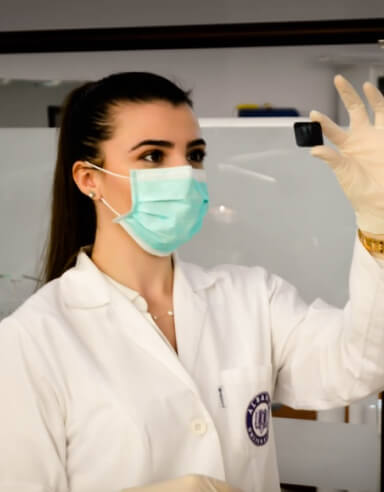



Leukemia Cancer
When it comes to leukemia care, Dr. Ajay Gogia stands out for his patient-first approach. He offers cutting-edge diagnosis and treatment across diverse leukemia types, including Chronic Lymphocytic Leukemia (CLL). His commitment ensures that every patient benefits from a highly personalized care plan, meticulously designed to leverage the newest therapeutic breakthroughs.
About Leukemia Cancer
Types and Stages of Leukemia
- Acute Lymphocytic Leukemia (ALL): Affects lymphoid cells; progresses rapidly; common in children.
- Acute Myeloid Leukemia (AML): Affects myeloid cells; progresses rapidly; common in adults.
- Chronic Lymphocytic Leukemia (CLL): Affects lymphoid cells; progresses slowly; most common chronic leukemia in adults.
- Chronic Myeloid Leukemia (CML): Affects myeloid cells; progresses slowly.
Instead of numerical stages, leukemia is often assessed based on:
- Cell Type: Acute vs. Chronic, Myeloid vs. Lymphoid.
- Genetic and Chromosomal Abnormalities: Specific genetic changes within the leukemia cells (e.g., Philadelphia chromosome in CML) are key indicators for prognosis and targeted therapies.
- Blood Counts: Number of abnormal white blood cells, red blood cells, and platelets.
- Organ Involvement: Whether leukemia cells have accumulated in organs like the spleen, liver, or lymph nodes.
- Patient's Age and Overall Health: These factors significantly influence treatment decisions and prognosis.
Causes of Leukemia
The exact causes of most types of leukemia are not fully understood, but it is believed to result from a combination of genetic and environmental factors that lead to mutations in the DNA of blood-forming cells. These mutations cause the cells to grow and divide abnormally.
Risk factors that may increase the chance of developing leukemia include:
At Fight Cancer, we turn diagnosis into determination. With expert care and unwavering support, you don’t face cancer alone — we fight it together.
Symptoms of Leukemia

Fatigue and Weakness
Due to anemia (a lack of red blood cells).

1

Frequent Infections
Because abnormal white blood cells are unable to fight infection effectively.

2

Easy Bruising or Bleeding
Due to a lack of platelets (e.g., nosebleeds, bleeding gums, tiny red spots on the skin called petechiae).

3

Fever or Chills
Often unexplained.
4
Symptoms of
Leukemia
Cancer
5

Night Sweats
Excessive sweating during sleep.

6

Swollen Lymph Nodes
Painless swelling in the neck, armpit, or groin.

7

Swollen Spleen or Liver
Leading to a feeling of fullness under the ribs.

8

Bone or Joint Pain
Due to the accumulation of leukemia cells in the bone marrow.

9

Weight Loss
Unexplained and significant weight loss.

Frequently Asked Questions
The curability of leukemia depends on the type, specific genetic abnormalities, the patient’s age, and how well they respond to treatment. Many types of acute leukemia, especially in children, have high cure rates. Chronic leukemias are often managed long-term, and while not always “cured,” patients can live for many years with good quality of life due to effective treatments.
Treatment options vary widely based on the type and stage of leukemia. Common treatments include chemotherapy, targeted therapy (drugs that attack specific vulnerabilities in cancer cells), immunotherapy, radiation therapy, and stem cell transplantation (bone marrow transplant). For some chronic leukemias, active surveillance (“watch and wait”) may be an initial approach.
Our Expert Team
Imperdiet aliquet est vel nulla turpis eu consequat ullamcorper a egestas suspendisse faucibus eu velit, phasellus pulvinar lorem et libero et tortor, sapien nulla.
Margaret Anderson
Mark Anthony
Senior Pathologist
Samantha Wood
Subsribe To Our Newsletter
Stay in touch with us to get latest news and special offers.
Address
123 5th Avenue, New York, US
Call Us
+1 123 456 7890
Email Us
info@example.com
Our success stories
5/5
4/5
5/5
4/5
4/5