
Breast Cancer

At the forefront of oncology, Dr. Ajay Gogia brings unparalleled expertise to the management of all types of breast cancer. His approach to breast cancer care is rooted in providing comprehensive, cutting-edge treatment tailored to each individual. From meticulous prevention strategies and advanced screening protocols to the application of the latest therapies—including chemotherapy, hormonal therapy, targeted therapy, and immunotherapy— Dr. Gogia is dedicated to guiding patients through their journey with a focus on optimal outcomes and compassionate support.

About Breast Cancer

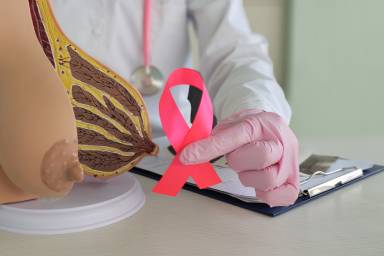
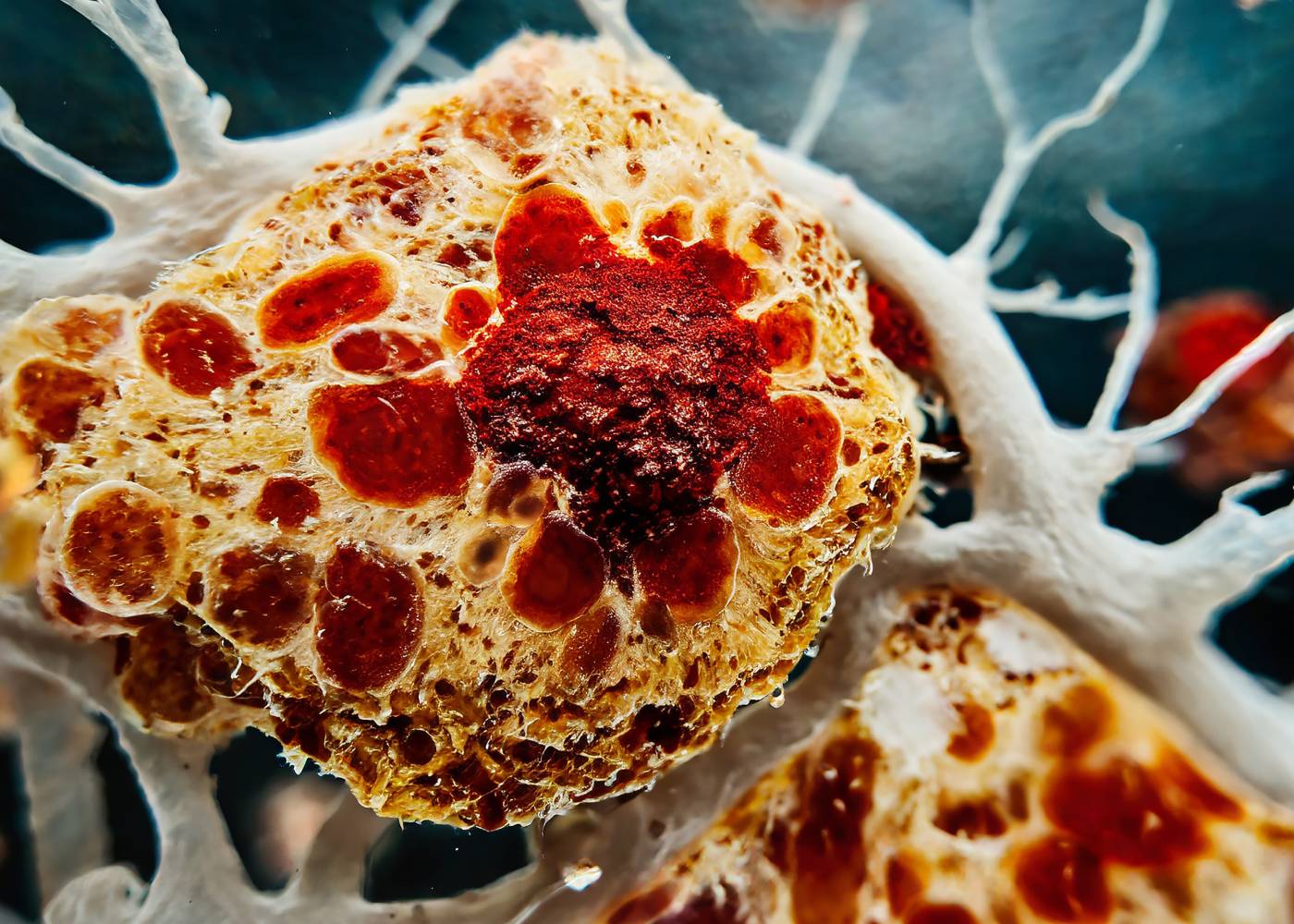
Breast cancer is a type of cancer that forms in the cells of the breasts.
After skin cancer, it is the most common cancer diagnosed in women globally, though it can also affect men. Early detection is crucial for successful treatment and improved outcomes. At our clinic, led by Dr. Ajay Gogia, a distinguished expert in all variants of breast cancer, we are dedicated to providing comprehensive, personalized, and advanced care, from prevention and screening to the latest therapeutic interventions. Our approach is holistic, aiming to guide you through every step of your journey with expertise and compassion.

Stages of Breast Cancer

Cancer staging is a critical process that helps doctors understand the extent of the cancer, aiding in treatment planning and prognosis. Breast cancer is typically staged from 0 to IV, often using the TNM system (Tumor, Nodes, Metastasis).
Understanding the stage of breast cancer is essential for tailoring the most effective treatment plan, which may include surgery, chemotherapy, radiation, hormonal therapy, targeted therapy, or immunotherapy.

Causes of Breast Cancer

While the exact cause of breast cancer is not always known, several risk factors can increase an individual’s likelihood of developing the disease. These factors can be broadly categorized as follows:

At Fight Cancer, we turn diagnosis into determination. With expert care and unwavering support, you don’t face cancer alone — we fight it together.

Symptoms of Breast Cancer

Breast cancer symptoms can vary widely, and some people may not experience any noticeable signs in the early stages. This underscores the importance of regular mammograms and self-exams. Common symptoms to be aware of include:

A New Lump or Mass in the Breast or Underarm

This is often the most common symptom, which may feel firm or thick and differ from the surrounding tissue.

1

Changes in Breast Size or Shape

One breast becoming noticeably larger or changing its contour.
2

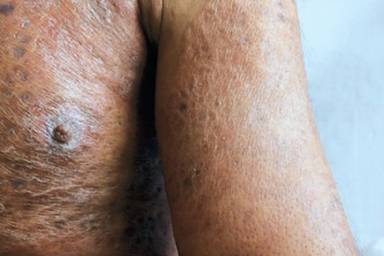
Skin Changes on the Breast

Dimpling, puckering, redness, scaling, or thickening of the breast skin (like an orange peel texture).
3

Symptoms of
Breast
Cancer

4

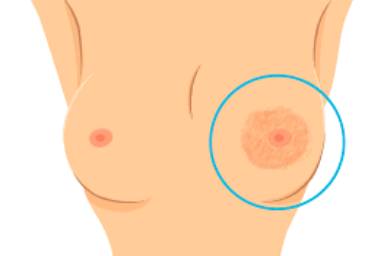
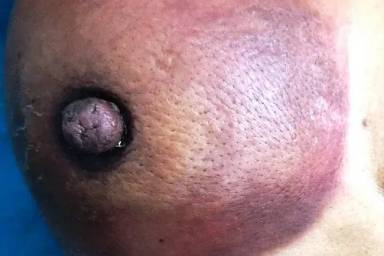
Nipple Changes

A newly inverted nipple, nipple discharge (other than breast milk), or changes in the skin around the nipple (e.g., scaling, crusting, flaking).

5

Breast Pain

Persistent breast or nipple pain, though less common as an isolated symptom.
6

Swelling

Swelling of all or part of a breast, even if no distinct lump is felt.
7

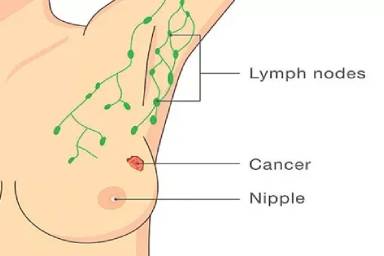
Lymph Node Swelling

Swelling around the collarbone or in the armpit.

If you notice any of these changes, it is crucial to consult a doctor for a thorough evaluation. Early detection significantly improves treatment outcomes.

Frequently Asked Questions

The frequency of screenings depends on your age, risk factors, and personal health history. Generally, women are advised to start annual mammograms from age 40 or 45. Discuss a personalized screening schedule with your doctor, especially if you have a family history or known genetic mutations.

About 5-10% of breast cancers are considered hereditary, meaning they are caused by inherited gene mutations (like BRCA1 and BRCA2). A strong family history, especially multiple relatives affected at a young age, warrants genetic counseling and testing.

Yes, dense breasts contain less fatty tissue and more glandular and fibrous tissue. This can make it harder to detect abnormalities on mammograms and is also an independent risk factor for breast cancer. Supplemental screening methods may be recommended for women with dense breasts.

Treatment plans are highly individualized based on the cancer’s stage, type, hormone receptor status, and the patient’s overall health. Common treatments include surgery (lumpectomy or mastectomy), radiation therapy, chemotherapy, hormonal therapy (for hormone-positive cancers), targeted therapy, and immunotherapy.

Yes, though rare, men can develop breast cancer. The symptoms, diagnosis, and treatment principles are similar to those in women. Any lump or change in the male breast area should be promptly evaluated by a doctor.

The prognosis for breast cancer varies greatly depending on factors such as the stage at diagnosis, the biological characteristics of the tumor, and the effectiveness of treatment. Early detection significantly improves survival rates. Advances in treatment continue to improve outcomes for many patients.

Our Lab Certification

Our Expert Team

Imperdiet aliquet est vel nulla turpis eu consequat ullamcorper a egestas suspendisse faucibus eu velit, phasellus pulvinar lorem et libero et tortor, sapien nulla.

Margaret Anderson

Head of Laboratory Department

Mark Anthony

Senior Pathologist

Samantha Wood

Laboratory Technician

Subsribe To Our Newsletter

Stay in touch with us to get latest news and special offers.

Address

123 5th Avenue, New York, US

Call Us

+1 123 456 7890

Email Us

info@example.com

Our success stories

5/5

"Lectus, nonummy et. Occaecat delectus erat, minima dapibus ornare nunc, autem."​
Lily Granger​

4/5

"Lectus, nonummy et. Occaecat delectus erat, minima dapibus ornare nunc, autem."​
Jeson Foxx

5/5

"Lectus, nonummy et. Occaecat delectus erat, minima dapibus ornare nunc, autem."​
Ron Burnwood

4/5

"Lectus, nonummy et. Occaecat delectus erat, minima dapibus ornare nunc, autem."​
Judy Sewell

4/5

"Lectus, nonummy et. Occaecat delectus erat, minima dapibus ornare nunc, autem."​
Anne Mcfadden